
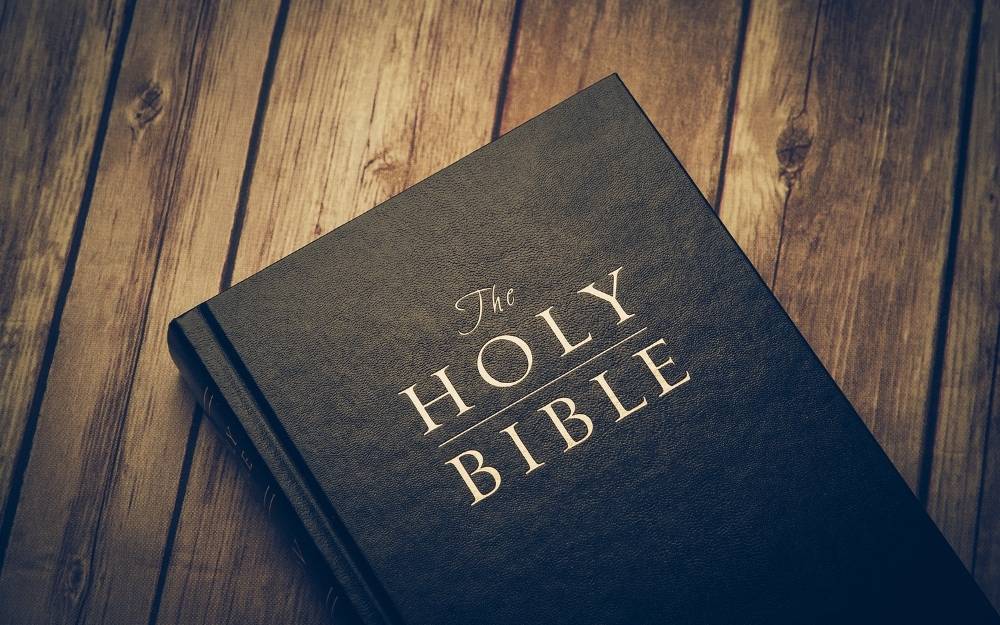
The Bible has long been the most frequently printed and widely distributed book in human history. For the discerning collector, however, the quest is not for the common modern edition but for the exquisite artefacts of the past. When searching for rare bibles for sale, one enters a world where theology meets artistry and historical significance. These volumes represent the evolution of the English language, the development of printing technology, and the turbulent history of religious reform. Owning a rare Bible is akin to holding a piece of history in your hands, offering a tangible connection to the scholars, printers, and families of centuries past.
Collecting rare books is a pursuit that requires patience, knowledge, and a keen eye for detail. Unlike modern mass-produced volumes, antiquarian Bibles were often hand-crafted, featuring unique typography, intricate woodcut illustrations, and bespoke leather bindings. For many enthusiasts, the appeal lies in the stories these books tell beyond the text itself—the handwritten notes in the margins, the family trees recorded on the flyleaves, and the physical wear that speaks of centuries of devotion. Whether you are a seasoned bibliophile or a newcomer to the world of book collecting, understanding what makes these volumes special is the first step in building a meaningful library.
Iconic Editions and Their Historical Impact
When exploring the market for rare bibles for sale, certain editions stand out as particularly desirable due to their historical impact or unique characteristics. The transition from manuscript to print, and the subsequent shift from Latin to the vernacular, created several landmark editions that collectors prize above all others.
- The Geneva Bible (1560): Often referred to as the Bible of the Puritans, this was the first English Bible to use Roman type rather than the older black-letter style. It was also the first to include verse numbers, making it far more accessible to the general public.
- The King James Bible (1611): Perhaps the most famous translation in history, the first edition of the King James Version is a cornerstone of any serious collection. Collectors often look for the “Great He” and “Great She” variants, distinguished by a specific typographical error in the Book of Ruth.
- The Coverdale Bible (1535): As the first complete printed translation of the Bible into English, this edition is exceptionally rare and represents a pivotal moment in the English Reformation.
- The Great Bible (1539): Commissioned by King Henry VIII, this was the first authorised edition of the Bible in English, intended to be read aloud in every church in the land.
Each of these editions carries its own unique history. For instance, the Geneva Bible was the preferred text of William Shakespeare and the pilgrims who travelled on the Mayflower. Identifying these specific versions requires a deep understanding of bibliography, as small changes in the title page or the presence of specific woodcuts can significantly alter the value and historical importance of the volume.

Assessing the Condition and Authenticity
Determining the value of rare bibles for sale is a complex process that involves more than just checking the publication date. Condition is paramount in the world of antiquarian books. A Bible that has been poorly repaired or is missing pages will generally be worth significantly less than one in its original, albeit aged, state. When inspecting a potential acquisition, collectors should pay close attention to several key factors.
The state of the binding is often the first thing a collector notices. While many Bibles from the 17th and 18th centuries have been rebound in later years, finding a volume in its original contemporary binding is a rare treat. Look for fine materials such as calfskin or morocco leather, and check for decorative elements like gold tooling or blind-stamping. The internal condition is equally important; foxing (the brown spotting that occurs on old paper), damp staining, and worming (small holes caused by book-eating larvae) are all common issues that must be evaluated.
Key Elements of a Valuable Bible
- Completeness: A truly valuable Bible must have all its leaves, including the primary and secondary title pages, maps, and any engraved plates.
- Provenance: The history of ownership can add immense value. A Bible owned by a notable historical figure or containing a well-documented family history is highly sought after.
- Typography and Illustration: The quality of the printing and the presence of famous illustrators or engravers can distinguish a masterpiece from a standard edition.
- Originality: Volumes that have not been overly cleaned, trimmed, or modernised are generally preferred by serious scholars and collectors.
Where to Find Quality Acquisitions
Finding authentic rare bibles for sale requires sourcing from reputable dealers who specialise in antiquarian theology and historic texts. While auctions can provide opportunities to find hidden gems, they also carry risks for the inexperienced buyer. Specialist dealers provide a level of security, offering detailed descriptions, collation reports, and guarantees of authenticity that are vital when investing significant sums in historic paper.
For those looking to expand their collection with high-quality volumes, rare bibles for sale can be found through dedicated specialists like James Dickson Books. These experts curate selections that range from early 16th-century fragments to beautifully bound 19th-century family Bibles. Working with a specialist allows you to gain insights into the specific history of a volume, ensuring that your purchase is not only a beautiful object but also a sound historical investment. They can help you navigate the nuances of different translations and help you identify the specific features that make a particular copy unique.
The Role of Provenance and Historical Context
Provenance is the documented history of a book’s ownership, and in the realm of rare Bibles, it is often as fascinating as the text itself. Because Bibles were central to household life for centuries, they frequently contain signatures, bookplates, and handwritten notes that allow us to trace their journey through time. A Bible that was once part of a famous library or belonged to a significant religious leader carries a premium. Even the presence of a humble family record can add a layer of human interest that makes the volume more desirable.
The historical context of a Bible’s production also influences its rarity. During periods of religious persecution, many Bibles were printed in secret or smuggled across borders. These “underground” editions often have fascinating stories of survival. For example, some early English Bibles were printed in the Low Countries to avoid the censors of the English Crown. Recognising the marks of these clandestine presses is a specialised skill that adds another dimension to the hobby of collecting.

Preservation and Proper Storage
Once you have acquired a rare Bible, the responsibility of preservation begins. These books have survived for centuries, and with the right care, they can survive for many more. The primary enemies of old paper and leather are light, heat, and humidity. To protect your investment, it is essential to store your collection in a controlled environment. Ideally, books should be kept in a room with a stable temperature and away from direct sunlight, which can fade bindings and make paper brittle.
Handling is another critical aspect of preservation. While it is tempting to open a 400-year-old Bible fully to admire the maps or illustrations, doing so can put immense strain on the spine. Using book supports or “cradles” is recommended to ensure the binding is not forced beyond its natural limit. Furthermore, keeping the books clean and free from dust will prevent the growth of mould and the attraction of pests. By following these simple steps, you ensure that these magnificent examples of human achievement remain in excellent condition for future generations to study and admire.
Building a Focused Collection
Many collectors find that their hobby is more rewarding when they focus on a specific niche within the world of rare Bibles. Rather than trying to collect everything, you might choose to specialise in a particular era, a specific language, or a certain style of binding. This focused approach allows you to become an expert in your chosen field and makes the search for new additions more exciting.
- Focus on Translations: You might collect different English translations from the 16th century to see how the language evolved.
- Focus on Regional Printing: Collecting Bibles printed in a specific city, such as London, Oxford, or Cambridge, can highlight the regional differences in printing techniques.
- Focus on Miniature Bibles: These tiny volumes were marvels of technical skill and are a popular sub-sector of the market.
- Focus on Illustrated Bibles: Seeking out editions with woodcuts by famous artists like Holbein or engravings by Gustave Doré.
Regardless of the direction you choose, the pursuit of rare Bibles is a deeply enriching experience. It combines the thrill of the hunt with the quiet satisfaction of preserving history. As you explore the various rare bibles for sale currently available, you will discover that each book is a unique window into the past, offering insights into the faith, craftsmanship, and culture of the age in which it was created.

Charlotte Reid is a seasoned travel writer with a passion for exploring unique accommodations and uncovering hidden gems in the hospitality industry. With years of experience in lifestyle journalism, she focuses on creating engaging content that helps readers find the perfect getaway spots. Her work emphasizes comfort, charm, and the personal touches that make every stay memorable.